
 Fruits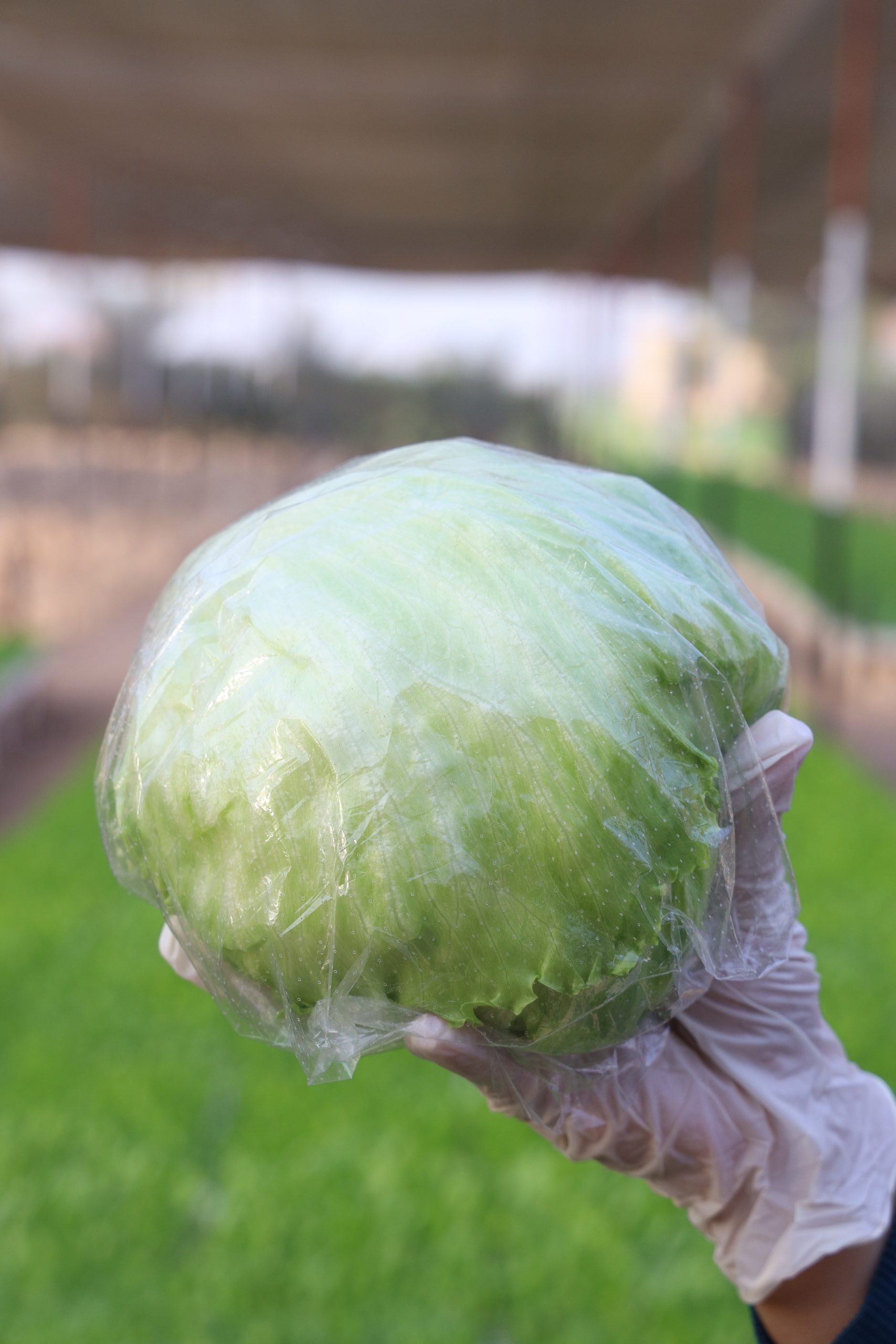
Egypt has become one of the leading suppliers of fresh iceberg lettuce to international markets, supported by favorable growing conditions, expanding agricultural infrastructure, and increasing demand for high quality fresh produce.
As global markets continue to prioritize consistency, freshness, and shelf performance, iceberg lettuce remains one of the most quality sensitive products within the fresh produce sector. Maintaining product integrity from harvest to final delivery requires disciplined operational control across every stage of the supply chain.
Why Iceberg Lettuce Requires Precision
Iceberg lettuce is highly sensitive to temperature fluctuations, handling conditions, and post-harvest timing. Even minor disruptions during transportation or storage can affect:
leaf structure
freshness
shelf life
and overall marketability
For this reason, successful export operations depend heavily on:
rapid post harvest cooling
controlled cold chain management
careful loading procedures
and consistent handling standards
The ability to maintain crisp texture, strong leaf binding, and clean appearance throughout transit is a key factor in meeting international buyer expectations.
Egypt’s Competitive Advantage
Egypt benefits from production seasons that allow exporters to supply international markets during periods of strong demand, particularly across Europe and the Middle East.
In addition to seasonal advantages, continued improvements in:
farming practices
packing operations
food safety systems
and export logistics
have strengthened Egypt’s position within the global fresh produce trade.
Modern cultivation techniques and export focused production models are also helping improve uniformity, sizing consistency, and product quality across shipments.
Shelf Life and Post Harvest Discipline
Shelf life remains one of the most important performance indicators for iceberg lettuce export.
Importers and retailers evaluate not only the appearance of the product upon arrival, but also how well it performs during storage, distribution, and retail display.
Maintaining shelf life depends on several operational factors, including:
immediate pre cooling after harvest
stable temperature control
hygienic packing conditions
optimized packaging and airflow
minimized handling stress during transit
Strong post harvest systems help reduce shrinkage, preserve freshness, and improve arrival quality across long distance shipments.
Growing Market Demand
Demand for iceberg lettuce continues to grow across multiple international markets due to its widespread use within:
retail chains
food service operations
restaurants
and ready to eat salad segments
Buyers increasingly prioritize suppliers capable of delivering:
consistent sizing
clean presentation
reliable volumes
and stable quality across repeated shipments
As competition increases, exporters with disciplined operational systems and integrated quality management are becoming more strongly positioned in the market.
At Max Mark, maintaining iceberg lettuce quality requires a fully integrated approach, from cultivation and pre cooling to cold chain management and export coordination. Consistency across every stage remains essential to delivering products that meet international market expectations.
Conclusion
The export of iceberg lettuce is no longer defined only by cultivation capacity. Today, competitiveness depends on the ability to preserve quality throughout the entire supply chain.
From field management and pre cooling to logistics coordination and delivery performance, every operational stage directly impacts product value and customer confidence.
As international markets continue to demand higher standards, exporters capable of combining agricultural quality with disciplined execution will remain best positioned for long term growth in the global fresh produce industry.