
 Fruits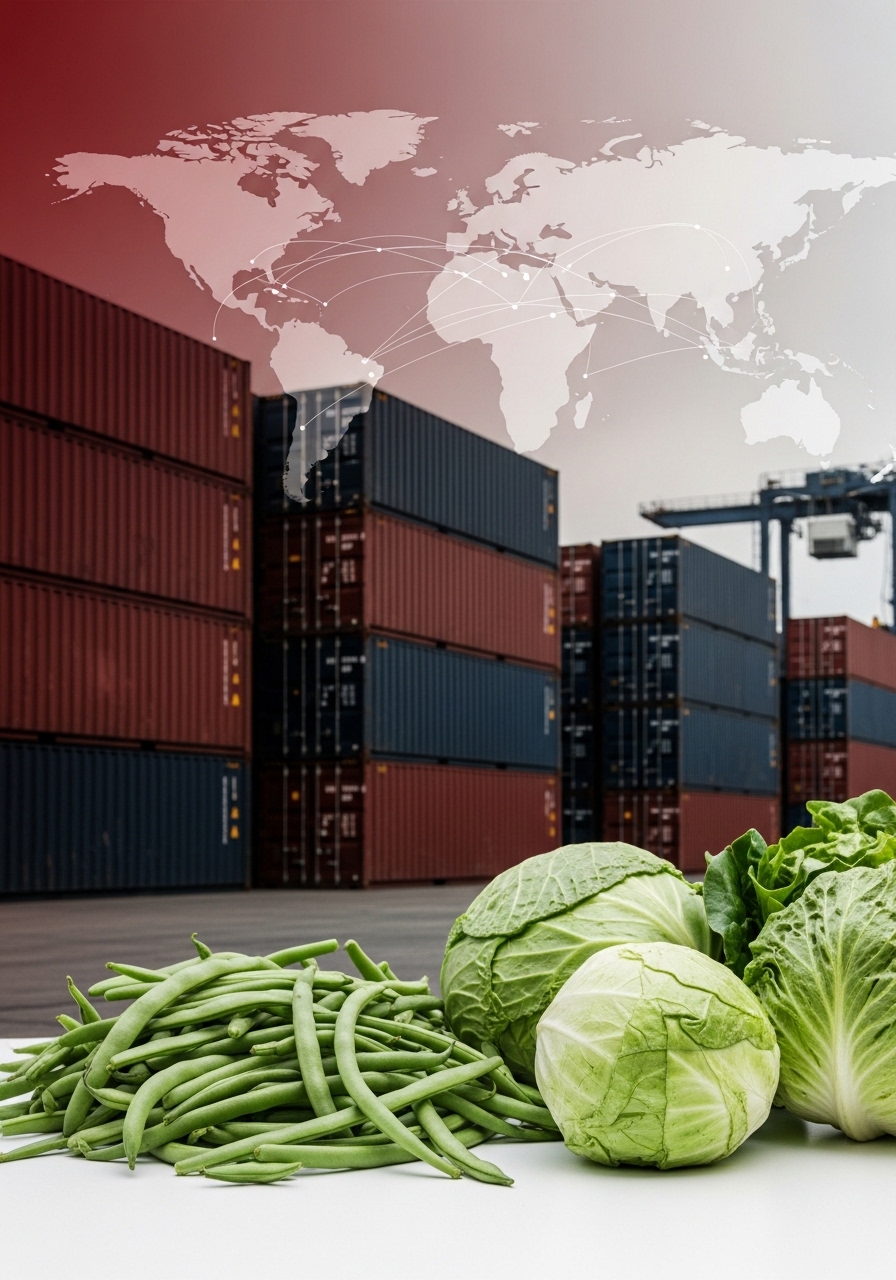
How the agri export sector maintains stability amid geopolitical shifts, rising logistics costs, and evolving supply chains across Egypt and the GCC.
Understanding the Reality Behind Market Uncertainty
Periods of geopolitical uncertainty are often accompanied by heightened concern across global markets. In the agri export and food sectors, these concerns tend to amplify quickly, particularly around supply chain continuity and logistics disruptions.
However, a closer, data driven perspective presents a more balanced view. While the industry is undoubtedly operating under pressure, the global food supply chain continues to demonstrate a notable level of resilience, supported by structured systems, diversified routes, and operational adaptability.
Regional Demand Dynamics: Stability Driven by Behavior
One of the most visible trends during this period is the increase in demand across the GCC markets. This rise is largely driven by precautionary purchasing behaviors, as importers and distributors prioritize securing supply and maintaining inventory levels.
Rather than signaling instability, this demand pattern reflects a strategic response from the market, reinforcing the importance of reliable sourcing, consistent supply, and operational discipline.
At the same time, key shipping corridors linking Egypt with Europe and the Gulf remain largely functional. This continuity highlights the strength of modern supply chain frameworks and their ability to adapt to external pressures without significant disruption.
From Accessibility to Cost Efficiency: The Real Challenge
The current challenge facing the industry is not the availability of logistics, but the increasing cost of maintaining them.
Fluctuations in global energy prices continue to impact several operational layers:
Packaging Materials: Rising costs in raw materials and production for food grade packaging
Freight and Logistics: Increased shipping rates and additional risk related surcharges
Operational Adjustments: Route modifications and capacity management across certain transit zones
These factors require exporters to shift focus from access to logistics toward efficiency, planning, and cost control.
Strategic Positioning: Egypt as a Stable Trade Hub
Amid these changes, regional trade flows are gradually shifting toward more stable and well positioned supply bases. Egypt is increasingly emerging as a key hub within this evolving landscape.
With favorable production cycles, improving infrastructure, and stronger compliance with international standards, Egypt continues to play an important role in supporting regional food supply. The country is not only responding to growing demand but also reinforcing its position as a reliable sourcing destination.
For exporters operating with structured systems and integrated supply chains, this environment creates opportunities for expansion, market alignment, and long term partnership development.
Conclusion: Stability Defined by Discipline
In international trade, resilience is not defined by the absence of challenges, but by the ability to operate effectively despite them.
Maintaining stability requires a disciplined balance between risk awareness and strategic execution. It depends on systems that can absorb pressure, adapt to change, and continue delivering consistent results.
In this context, agility becomes a form of stability, and structured operations become the foundation for sustainable growth in a constantly evolving global market.