
 Fruits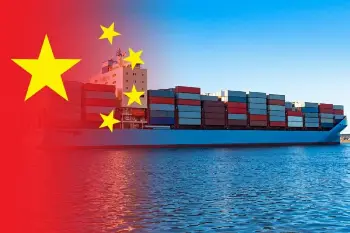
The recent enforcement of the zero tariff policy for Egyptian agricultural exports to China marks a pivotal moment in international trade. While the elimination of customs barriers may appear as a straightforward opportunity to reduce costs, it is, in reality, a profound shift in the rules of engagement.
In a market as vast and sophisticated as China, the opening of doors does not guarantee success; it merely invites us to prove our worth.
The New Competitive Landscape
The removal of tariffs leveled the playing field, meaning the “price advantage” is no longer the sole differentiator. Today, the real competition begins after the goods clear customs. For fresh produce exporters, the challenge has evolved from “accessing the market” to “sustaining a presence” within it.
Success in this new era hinges on four critical pillars:
- Unwavering Quality Consistency
In the fresh produce sector, quality is not a one-time achievement but a continuous commitment. The Chinese consumer is highly discerning, valuing premium aesthetics and taste. Our challenge and our priority is ensuring that the 100th shipment reaches the client with the same precision, freshness, and adherence to phytosanitary standards as the first. - Operational Readiness and Protocol Compliance
The recent protocols and the strict registration requirements for farms and packing stations by Chinese authorities (GACC) are not merely administrative hurdles. They are benchmarks of excellence. Operational readiness means having the infrastructure and the discipline to meet these global standards consistently, ensuring every product is traceable and compliant. - Agility in Supply Chain Management
Freshness is a race against time. The efficiency of the cold chain and the reliability of logistics partners are the backbone of this trade. In a zero-tariff environment, the winner is the one who can navigate global logistics disruptions to deliver “farm fresh” quality to the Chinese table without delay. - Strategic Presence Over Transactional Gains
There is a fundamental difference between an exporter who “tries” a market and one who “builds” a presence. Transitioning from a transactional mindset to a strategic one involves understanding local consumer behavior and fostering deep rooted partnerships with domestic distribution networks.
The Road Ahead
The zero tariff policy is a powerful catalyst, but it is our strategic and operational preparedness that will determine our longevity. At our core, we do not just export fruits and vegetables; we export a commitment to excellence and a vision of Egyptian premium quality on the world stage.
The doors are now wide open. The question is no longer about how we get in, but how we lead once we are there.