
 Fruits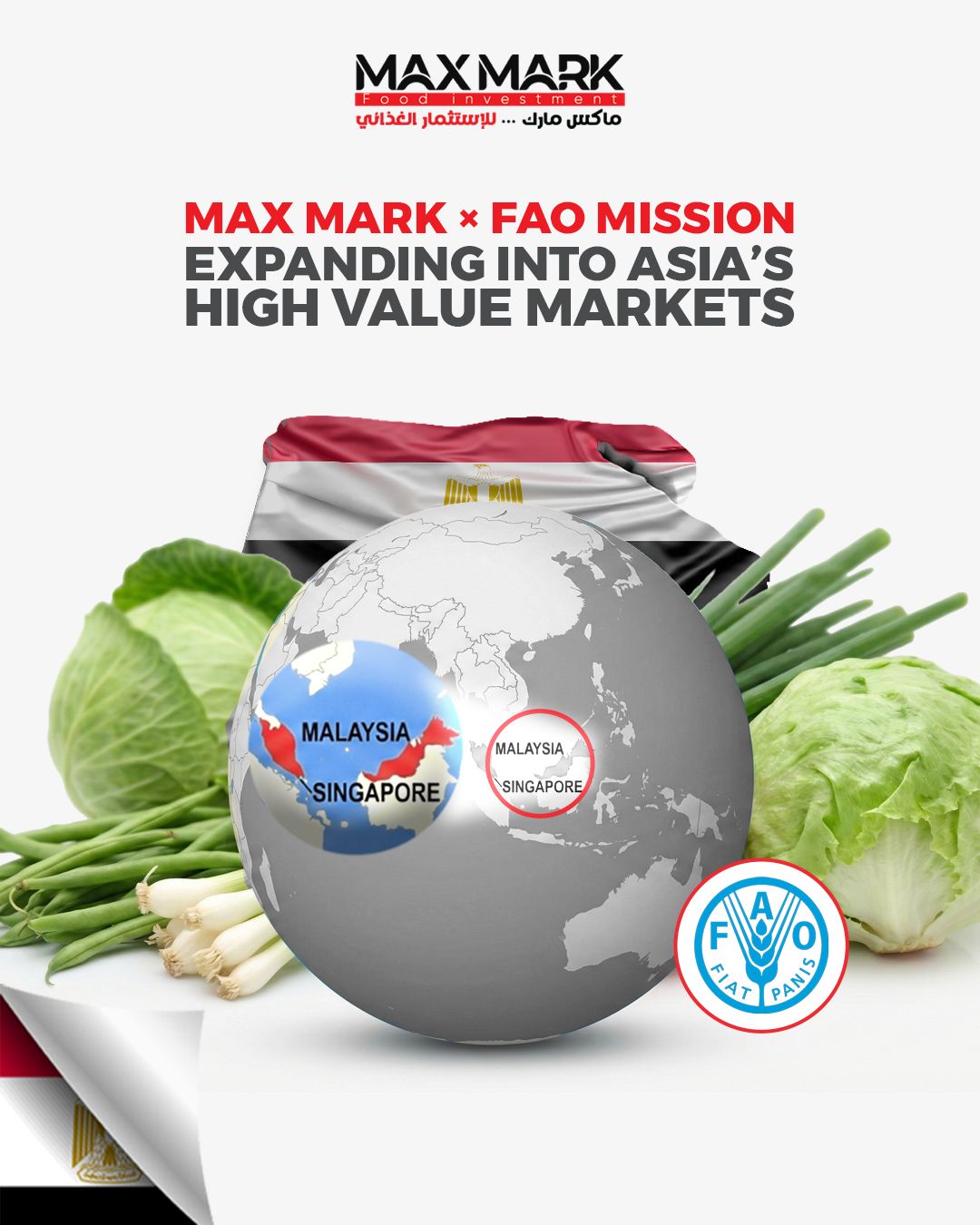
Southeast Asia has rapidly emerged as one of the most dynamic and fast growing regions for premium fresh produce, driven by economic growth, urbanization, and evolving consumer preferences. Markets such as Singapore and Malaysia are increasingly characterized by high purchasing power, sophisticated retail structures, and strict regulatory frameworks, making them strategic destinations for exporters able to meet elevated quality and compliance standards.
One of the key drivers behind this growth is the rising demand for high quality, safe, and traceable food products. Consumers across Southeast Asia are becoming more conscious of food origin, freshness, and safety, while retailers and food service operators are placing greater emphasis on suppliers who can guarantee consistency, transparency, and reliable year round supply. As a result, the region has shifted from price driven sourcing to value driven partnerships.
Singapore, in particular, plays a pivotal role as a regional trade and distribution hub. Its advanced logistics infrastructure, strong cold chain capabilities, and highly regulated import environment set benchmarks for quality across the region. Malaysia, meanwhile, continues to expand its retail and hospitality sectors, creating steady demand for premium fruits and vegetables that meet international food safety and sustainability standards.
For Egyptian exporters, Southeast Asia represents a significant opportunity. Egypt’s favorable climate, extended growing seasons, and improving agricultural compliance systems position it well to serve these markets. Products that meet export grade specifications, supported by robust Quality Assurance, Food Safety, and Traceability systems, are increasingly well received by importers seeking dependable long term partners rather than transactional suppliers.
However, success in Southeast Asia requires more than product availability. Importers expect disciplined operations, accurate documentation, cold chain integrity, and the ability to adapt packaging, specifications, and logistics to market needs. Exporters who invest in understanding local consumer trends, retail formats, and regulatory expectations are best positioned to build sustainable presence in the region.
At Max Mark, we view Southeast Asia not simply as a growth market, but as a long term strategic region where quality, consistency, and transparency define competitiveness. By aligning our integrated model, from farming and packing to global export, with the expectations of premium Asian markets, we continue to support the expansion of Egyptian fresh produce into high value international destinations.